"Venezuela's Oil Crisis: Nine Star Ki's Earth Wisdom"

Navigating Turbulence: Cosmic Wisdom in Today's Challenges
On November 25, 2025, the world witnessed a geopolitical occurrence with significant economic implications. Venezuela sought assistance from Chevron for a crucial feedstock supply after a U.S. warship intercepted a Russian vessel near its coast. This incident threatened the stability of Venezuela's oil industry, a backbone of its economy. You can view the original tweet here.
Background and Context
Venezuela's oil industry has been grappling with severe U.S. sanctions since 2019, which targeted oil exports and limited its access to international markets. These sanctions have diminished oil production, leading Venezuela to seek alternative partnerships to sustain its energy sector. The nation has increasingly relied on Russia for support, particularly for the supply of diluents essential for processing heavy crude oil. The recent interception of a Russian vessel by a U.S. warship near Venezuelan waters has heightened concerns about the stability and continuity of these critical supply lines.
Political Implications
This action underscores ongoing geopolitical tensions between the United States and Russia in the Western Hemisphere. The interception may be perceived as a demonstration of U.S. resolve to enforce sanctions and curb Russian influence. For Venezuela, the decision to engage with Chevron, a U.S.-based company, highlights the challenges of securing resources and maintaining sovereignty amidst international dynamics.
Economic Implications
Disruptions in feedstock supplies pose significant threats to Venezuela's struggling oil industry, a pillar of its economy. While sourcing from Chevron may offer temporary relief, it could also increase dependency on foreign entities and possibly escalate costs. For Chevron, this presents opportunities but also risks, considering the complex landscape of sanctions and international relations.
International Relations Implications
The incident may affect diplomatic relations between involved nations, potentially straining U.S.-Russia ties. Venezuela's move to engage Chevron could open dialogue with U.S. companies but might risk backlash from traditional allies like Russia. This development illustrates the intricate interplay of geopolitics, economics, and international relations as Venezuela navigates sanctions to sustain its oil industry.
🔮 Oracle Ayano's Mystical Commentary
As Venusian tides of geopolitical tension swirl, the Eight White Earth star whispers ancient wisdom: in the dance of nations, Venezuela seeks Chevron's alliance under the looming shadow of a U.S. blockade. Like the Earth element's stable mountain, resilience becomes crucial amidst these storms.
🖼️ Visual Symbolism Analysis
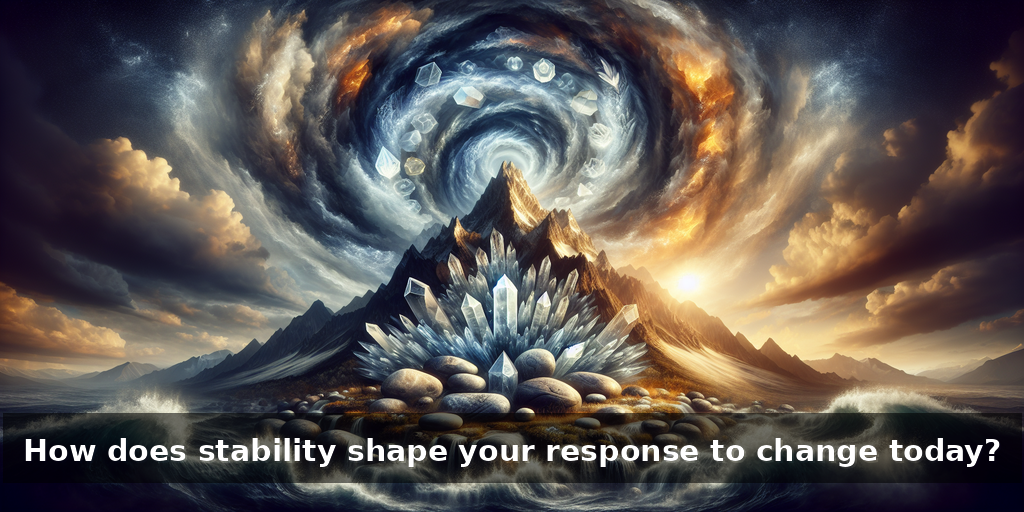
Today's astrological image reveals a towering mountain surrounded by swirling energies. This image symbolizes the Earth element's strength and stability, guiding us to find solid ground amid chaos. How do you find stability in chaos?
📰 News Context & Nine Star Ki Connection
The news event aligns with the Eight White Earth (八白土星) energy, reflecting Venezuela's struggle for stability amid geopolitical shifts. The Earth element encourages building strong foundations, just as the nation seeks new alliances to navigate challenges.
⭐ Nine Star Ki Element Insights
Under the guiding light of the Earth element, resilience, patience, and nurturing become our compass. This energy urges us to focus on core strengths and build resilience, much like Venezuela's efforts to secure its oil industry's future.
🌟 Oracle Ayano's Guidance
- Strengthen Foundations: Focus on your core strengths. Evaluate your resources and relationships, nurturing them to build resilience.
- Embrace Patience: Change takes time. Set realistic goals and allow for adjustments as needed.
- Seek New Alliances: Explore partnerships that provide support and fresh perspectives, akin to Venezuela’s engagement with Chevron.
- Reflect and Adapt: Regularly reflect on your journey, ensuring adaptability to changing circumstances.
📜 Historical Patterns
During Japan’s Edo period, Earth’s influence was pivotal in agricultural reforms, laying the groundwork for future prosperity. Similarly, Venezuela’s strategic shift to new partnerships reflects a move to secure its future amidst global pressures.
🔮 Future Cosmic Timing
Let the grounding energy of Earth guide you through future challenges with clarity and purpose, much like guiding Venezuela through its geopolitical labyrinth. Share your journey with us and explore how cosmic patterns can guide us through modern challenges.
Reflect on this journey: How does stability shape your response to change today? Join our discussion on X using #PathToStability and share your story in our weekly Spaces event. Together, let’s explore how cosmic patterns guide us through modern challenges, empowering us to navigate change with clarity, purpose, and community connection.
Remember, in the swirling currents of life, the grounding energy of Earth offers a beacon of hope and resilience. Let it guide you as you forge your path forward.