"Embrace Water's Flow: Nine Star Ki Insights on Global Shifts"

Navigating the Tides of Change: Cosmic Insights for Troubled Times
In a recent development on the global stage, the United States has announced its intention to pressure G7 allies to levy tariffs of up to 100% on China and India. This bold move is aimed at compelling these nations to reduce their imports of Russian oil, thereby pressuring Russia into peace negotiations over the ongoing conflict in Ukraine. The full details of this unfolding story can be found in the original announcement: The US will push G7 allies to levy tariffs up to 100% on China and India over Russian oil purchases to pressure Putin to end the war.
Background and Context
Since Russia’s invasion of Ukraine, the U.S. and its allies have sought to undermine Russia’s economic stability, particularly targeting its energy sector. Despite these efforts, China and India have maintained significant oil imports from Russia, seizing opportunities created by discounted prices. In 2024, China’s Russian oil imports totaled $62.6 billion, while India’s reached $52.7 billion. This economic engagement with Russia has prompted the U.S. administration, under President Trump, to intensify trade measures against India and propose similar actions against China in collaboration with G7 partners. (ft.com)
Political Implications
The U.S. strategy is a concerted effort to isolate Russia economically and diplomatically by targeting major buyers of its oil exports. This move could significantly strain relations with both China and India, which have remained relatively neutral regarding the Ukraine conflict. China has openly criticized such economic coercion, while within the G7, there is hesitancy about escalating tariff measures due to possible economic backlash. Instead, some European Union members advocate accelerating existing sanctions on Russian energy as an alternative strategy. (ft.com)
Economic Implications
High tariffs on China and India could lead to significant economic repercussions, disrupting global supply chains and increasing costs for consumers. India, in particular, has decried the tariffs as "unfair" and "unreasonable," underlining its need for affordable energy. Such economic strains might push China and India towards alternative markets and potentially solidify their economic relations with other nations, thereby undermining U.S. influence in the region. (aljazeera.com)
International Relations Implications
This U.S. push for a coordinated G7 tariff approach highlights the complexities and challenges inherent in international alliances. The differing interests and priorities among G7 members may hinder the implementation of such measures. Furthermore, indirectly pressuring China and India could realign global power dynamics, possibly driving these nations into closer relations with Russia or forming new strategic alliances that could reshape international relations.
In Summary
The United States' proposal to impose steep tariffs on China and India over Russian oil purchases is a strategic maneuver intended to heighten economic pressure on Russia. However, this strategy entails significant political, economic, and diplomatic risks with potentially far-reaching consequences for international relations and global trade dynamics.
🔮 Oracle Ayano's Mystical Commentary
Today’s Nine Star Ki configuration introduces the energy of One White Water, symbolizing flow, adaptation, and hidden depths. This mystical insight resonates with the current geopolitical landscape as the world navigates through turbulent economic waters. Just as water finds its path through the landscape, nations and individuals alike are called to navigate these challenges with grace, much like Hana, a small café owner who feels the economic tremors in her daily life.
🖼️ Visual Symbolism Analysis
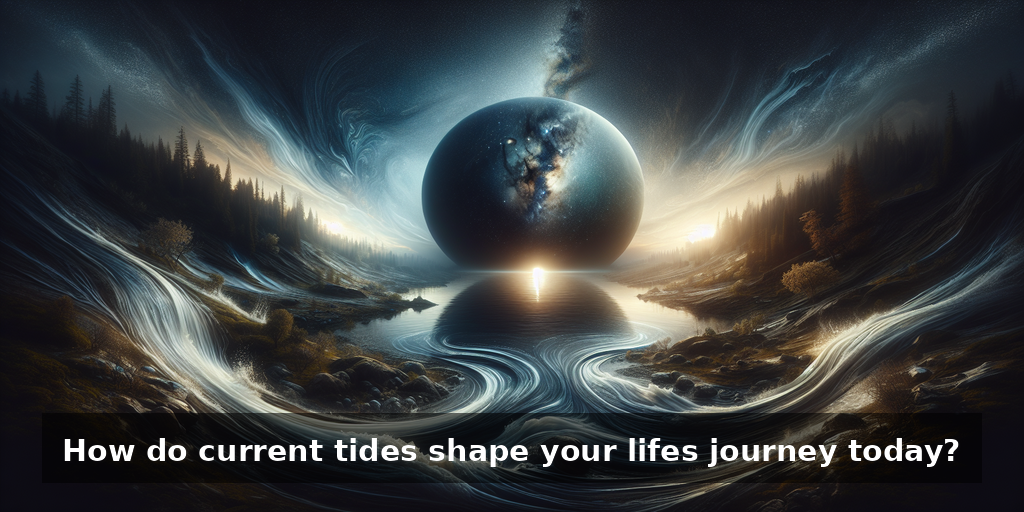
The cosmic image of a sphere amidst swirling waters encapsulates the dynamic energy of Water—fluid, ever-changing, and profound. It serves as a metaphor for our journey through unknown territories, urging us to adapt with courage and intuition. This symbolism encourages us to find stability amidst chaos, mirroring the adaptability required in today’s complex international relations.
📰 News Context & Nine Star Ki Connection
The U.S.'s call for G7 nations to impose tariffs on China and India aligns with the energy of One White Water, reflecting the fluidity in international diplomacy required to address the ongoing conflict in Ukraine. This proposal illustrates Water’s influence—flexible yet powerful—pushing us to navigate complex geopolitical landscapes with insight and balance.
⭐ Nine Star Ki Element Insights
In Nine Star Ki, the Water element signifies adaptability, intuition, and hidden potential. It teaches us to embrace life’s currents, flowing with change rather than resisting it. This wisdom is particularly relevant as the world grapples with significant economic and political shifts.
🌟 Oracle Ayano's Guidance
To harness the energy of Water and navigate your own currents:
- Flow with Change: Embrace flexibility in your plans. Adapt creatively to rising costs and uncertainty.
- Seek Hidden Depths: Dive deep into understanding the underlying causes of your challenges.
- Connect with Community: Build bonds that foster resilience and shared growth.
- Trust Intuition: Let your instincts guide your decisions, trusting your gut feelings in uncertain waters.
📜 Historical Patterns
Reflecting on history, the adaptability of Water was evident during Japan’s Meiji era as the nation transitioned from isolation to global engagement, maintaining its cultural roots while reshaping its identity. This historical example parallels today’s geopolitical shifts, reminding us that change, though daunting, can lead to profound growth and transformation.
🔮 Future Cosmic Timing
As Water’s influence ebbs and flows, staying attuned to its lessons of adaptability will be crucial. Trust your inner compass to guide you through the tides of transformation, as the journey ahead holds promise for growth and unity.
Call to Action
Reflect on this question: How can you adapt to the currents of change today? Share your thoughts and join the conversation on X with #CosmicFlow. Let’s build a community where stories and insights flow together, enriching our shared journey. 🌊💫
By understanding these cosmic patterns, we empower ourselves to navigate modern challenges with clarity and purpose, finding unity in our shared experiences.
![大切なことを言えずに待つメッセージ|A message waits for what matters — 2026-10-23 [日本語/English/中文/Español]](https://storage.ghost.io/c/60/6b/606b2e51-3e7d-4c53-b82b-952cb2b9b30b/content/images/size/w600/2026/10/feature-69.png)
![2026-10-23 マーケットブリーフィング|──AI期待から物理供給力へ [日本語/中文]](https://storage.ghost.io/c/60/6b/606b2e51-3e7d-4c53-b82b-952cb2b9b30b/content/images/size/w600/2026/10/feature-68.png)
![2026-10-22 Market Briefing | Brent, French Yields, Gold [English/Español]](https://storage.ghost.io/c/60/6b/606b2e51-3e7d-4c53-b82b-952cb2b9b30b/content/images/size/w600/2026/10/feature-67.png)