"Earth's Influence: Navigating Private Equity in 401(k)s"

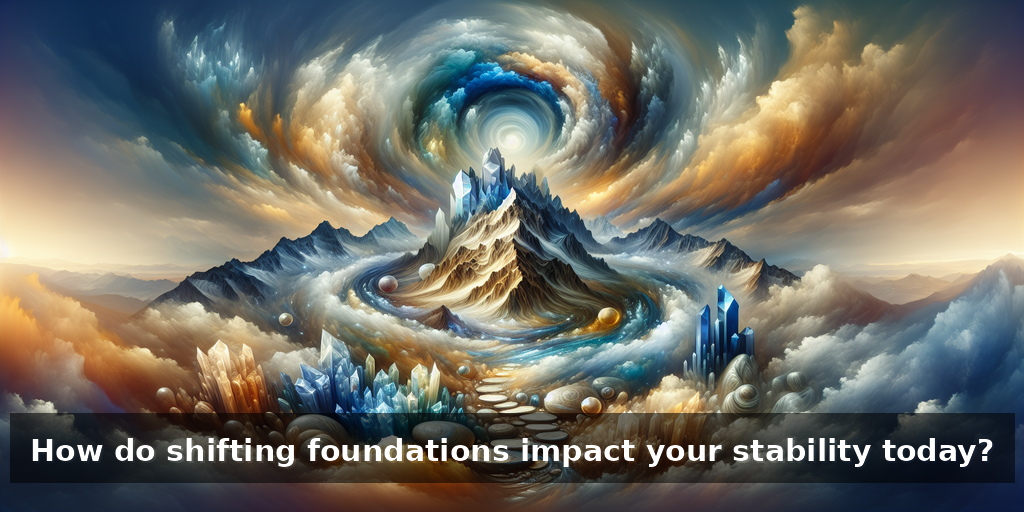
Navigating New Horizons: Cosmic Guidance in Changing Times
Introduction
In a world where economic landscapes are constantly shifting, a recent tweet caught the attention of many: "Is Private Equity Right For Your 401(k)? A Look At Potential Risks And Rewards." This tweet ties into a significant policy change under President Donald Trump, announced on August 7, 2025, which allows private equity and alternative investments, like cryptocurrencies, to be included in 401(k) retirement plans. The implications of this decision are profound, impacting political, economic, and international dynamics.
Background and Context
Historically, 401(k) plans have been restricted to publicly traded stocks, bonds, and mutual funds, ensuring liquidity and transparency for investors. The inclusion of private equity introduces complexities such as higher fees, illiquidity, and reduced transparency. This policy, driven by an executive order, directs regulatory bodies like the Department of Labor (DOL) and the Securities and Exchange Commission (SEC) to update guidelines and reduce the litigation risks associated with plan administration under ERISA provisions.
The political drive behind this policy aligns with the Trump administration's deregulatory agenda, aiming to democratize access to high-return investments traditionally reserved for institutional investors. Yet, this move has ignited debates among policymakers and consumer advocates, who weigh potential benefits for risk-tolerant savers against heightened risks and fiduciary concerns.
Economically, the inclusion of private equity in retirement plans offers potential diversification benefits and opportunities for higher long-term returns, though it comes with significant costs and risks. Additionally, this shift could attract foreign investment, influencing global regulatory practices and harmonization.
🔮 Oracle Ayano's Mystical Commentary
Imagine Hana, a dedicated café owner in Boston, dreaming of a secure future for her family. The recent executive order allowing private equity and cryptocurrencies into 401(k) retirement plans stirs mixed emotions in Hana’s heart. While this shift offers potential for higher returns, it also brings uncertainties. Will her retirement savings flourish or fade in this new investment landscape? 🌱
🖼️ Visual Symbolism Analysis
The image of a swirling mountain landscape evokes Earth’s mighty presence, guiding us through life’s tempests. This visual symphony of swirling clouds and solid peaks reminds us that stability and change coexist, urging us to find our center amidst shifting foundations.
📰 News Context & Nine Star Ki Connection
The cosmic dance of the Five Yellow Earth star unfolds, as the Federal Reserves whispers of private equity in 401(k) plans beckon us to weigh potential prosperity against the shadows of uncertainty. This alignment urges us to find balance within the ever-shifting sands of economic destiny. 🌍✨
⭐ Nine Star Ki Element Insights
In Nine Star Ki, today’s configuration is guided by the Five Yellow Earth star, symbolizing stability, nurturing, and foundation. Just as Earth provides a grounded base, this cosmic energy encourages us to find stability amidst change. The introduction of private equity into retirement plans mirrors Earth’s duality—offering potential growth while challenging us to navigate uncertain terrains.
🌟 Oracle Ayano's Guidance
In these dynamic times, harness Earth’s energy with these actionable tips:
- Ground Your Decisions: Like Hana, take time to evaluate your financial goals. Consider the long-term implications of your investment choices.
- Diversify Thoughtfully: Explore a mix of traditional and alternative investments to balance risk and reward. 🌟
- Seek Knowledge: Educate yourself on new financial opportunities, just as you would nurture a growing plant, ensuring it thrives.
- Build Community: Share insights and experiences with others, fostering a supportive network that strengthens your journey.
📜 Historical Patterns
Reflect on the Meiji era in Japan, a time when Earth’s energy of authority and foundation transformed the nation’s infrastructure. The introduction of railways marked progress, yet required careful planning and execution. Similarly, this policy shift calls for strategic thinking and clarity, ensuring that new investment opportunities are both prudent and beneficial.
Your Journey Ahead
As you reflect on these themes, consider this: How will you embrace Earth’s stability in your financial journey? Share your thoughts and join our community discussion on X with #StabilityInChange. Let’s build a future grounded in wisdom, strength, and connection.
Embrace the energy of Earth and navigate your path with confidence and clarity. 🌍✨
![大切なことを言えずに待つメッセージ|A message waits for what matters — 2026-10-23 [日本語/English/中文/Español]](https://storage.ghost.io/c/60/6b/606b2e51-3e7d-4c53-b82b-952cb2b9b30b/content/images/size/w600/2026/10/feature-69.png)
![2026-10-23 マーケットブリーフィング|──AI期待から物理供給力へ [日本語/中文]](https://storage.ghost.io/c/60/6b/606b2e51-3e7d-4c53-b82b-952cb2b9b30b/content/images/size/w600/2026/10/feature-68.png)
![2026-10-22 Market Briefing | Brent, French Yields, Gold [English/Español]](https://storage.ghost.io/c/60/6b/606b2e51-3e7d-4c53-b82b-952cb2b9b30b/content/images/size/w600/2026/10/feature-67.png)