"Cosmic Stability: South Korea's Mystical Return to Tradition"

Embracing Stability: South Korea’s Return to Tradition Through the Cosmic Lens
In a significant political and cultural shift, South Korea's presidential office is returning to the traditional Blue House, reversing a move made by former President Yoon Suk Yeol. This relocation is anticipated to be completed around Christmas 2025, marking a return to an emblem of stability and tradition in central Seoul. For more details, see the original tweet here.
Background and Context
In 2022, former President Yoon Suk Yeol relocated the presidential office from the Blue House to the Defense Ministry compound in Yongsan, aiming to enhance public communication. However, his administration faced significant controversy, leading to his impeachment and removal in April 2025 after an attempted imposition of martial law. President Lee Jae Myung, who succeeded Yoon following a snap election in June 2025, has pledged to move the office back to the Blue House, emphasizing a restoration of tradition and stability.
Returning to the Blue House symbolizes a break from the controversial policies of the past and a commitment to restore public trust in the presidency. This strategic shift aims to project continuity and stability, signaling a new era in South Korean politics.
🔮 Oracle Ayano's Mystical Commentary
In the cosmic dance of Nine Star Ki, the energies today are guided by the Two Black Earth star, signifying stability and nurturing. This transition aligns with Earth’s strength—much like a steadfast mountain amid shifting winds. The move back to the Blue House resonates deeply with Earth’s energy, offering a promise of healing and unity for a nation seeking to rebuild trust.
🖼️ Visual Symbolism Analysis
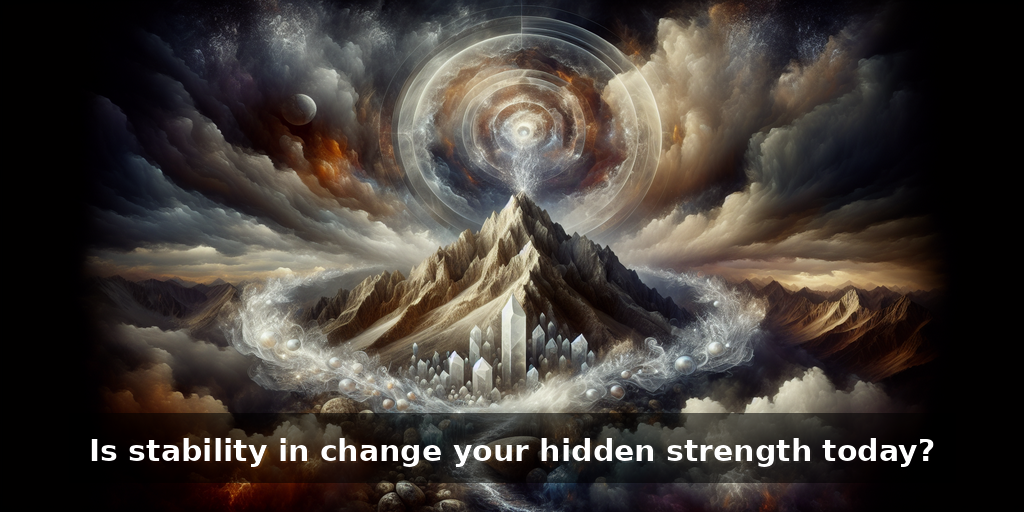
The image of a towering mountain surrounded by swirling cosmic energies symbolizes Earth’s unwavering strength amid chaos. This visual invites each of us to find stability within, just as South Korea seeks its roots in tradition. The mountain, a symbol of enduring power, mirrors the nation's journey back to foundational values.
📰 News Context & Nine Star Ki Connection
This move back to the Blue House mirrors the Two Black Earth (二黒土星) star's grounding force, offering hope in political and economic uncertainty. It aligns with Earth’s nurturing energy, anchoring the nation in tradition while guiding its path forward.
⭐ Nine Star Ki Element Insights
The Earth element in Nine Star Ki represents stability, nurturing, and growth—a foundation during life's transitions, much like a mountain amid shifting winds. This energy is about grounding ourselves in times of change, and it resonates with the broader journey of South Korea as it returns to established norms.
🌟 Oracle Ayano's Guidance
Consider the journey of Ji-Hoon, worried about job security amid these changes, and Hana, a café owner facing economic uncertainty. The Earth element encourages patience and steady growth, reminding us that even in turmoil, we can build upon a solid foundation. It’s a call to nurture our dreams and communities with care and resilience.
📜 Historical Patterns
Reflecting on history, the Earth element’s influence is evident during transformative eras like Japan’s Meiji Restoration. Just as Japan laid railway tracks to unite regions, South Korea’s return to the Blue House aims to sew unity and continuity. Authority and precision, hallmarks of Earth, guide this transition, echoing the past to shape a stable future.
🔮 Future Cosmic Timing
As we navigate this period, the cosmos whispers: In uncertainty, plant your roots deep. Nurture dreams with patience and resilience, as Earth embraces each seed with care. Trust in the steady rhythm of nature to guide your journey. 🌱 What will you cultivate?
Call to Action
What steps will you take today to cultivate stability and growth in your life? Join our discussion on X with #CosmicStability and share your story in our weekly Spaces event. Together, we can navigate change with purpose and unity.
For more insights from Oracle Ayano, visit Ayanomics Insights.
![胡塞武装袭击推高油价,红海运输韧性成为下一道考验 [简体中文/繁體中文]](https://storage.ghost.io/c/60/6b/606b2e51-3e7d-4c53-b82b-952cb2b9b30b/content/images/size/w600/2026/10/feature-72.png)
![伝えたいことが定まらぬ怒りの一通|An angry message, its meaning unsettled — 2026-10-24 [日本語/English/中文/Español]](https://storage.ghost.io/c/60/6b/606b2e51-3e7d-4c53-b82b-952cb2b9b30b/content/images/size/w600/2026/10/feature-71.png)
![2026-10-23 Market Briefing | Nasdaq, Brent, Cable Capacity [English/Español]](https://storage.ghost.io/c/60/6b/606b2e51-3e7d-4c53-b82b-952cb2b9b30b/content/images/size/w600/2026/10/feature-70.png)